Key takeaways
- Lutein and zeaxanthin are dietary carotenoids that concentrate in the macula, the part of the retina responsible for sharp central vision.
- They work in two ways: filtering high-energy blue light (400–500 nm) and neutralizing free radicals as antioxidants.
- The AREDS2 clinical trial found they safely replaced beta-carotene and reduced the risk of advanced AMD by roughly 26%.
- Your body cannot make these nutrients — they must come from food (leafy greens, egg yolks) or supplements.
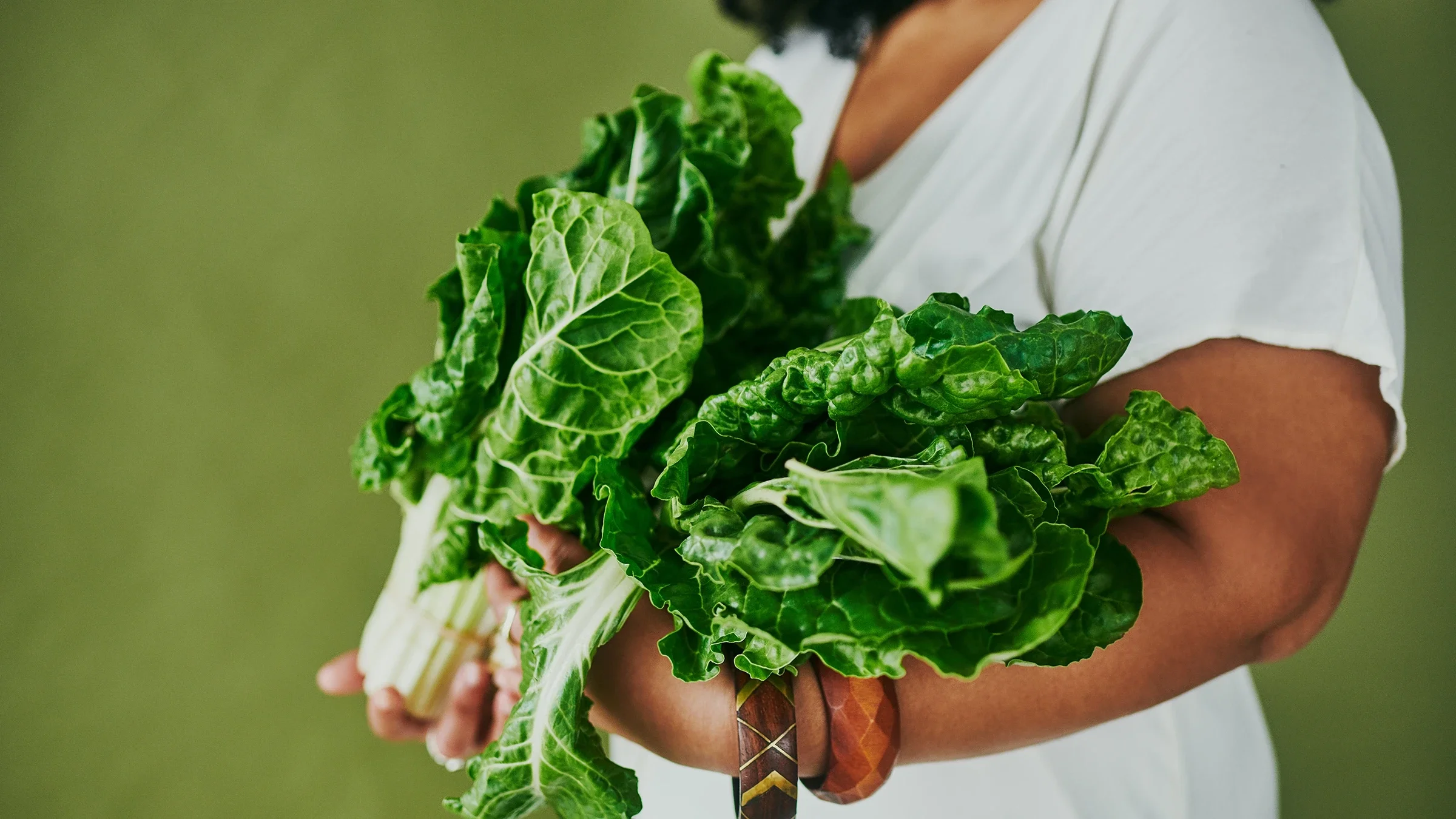
Lutein and zeaxanthin are xanthophyll carotenoids — yellow-orange pigments found naturally in many fruits and vegetables, particularly dark leafy greens like kale, spinach, and collard greens. They are also available in egg yolks and corn.
What makes these two nutrients unique is their selective concentration in the human retina, specifically in the macula — the tiny area responsible for central, high-acuity vision.
How they work in the retina
Natural Blue Light Filters
Lutein and zeaxanthin absorb high-energy blue light (400–500 nm wavelengths) before it reaches the delicate photoreceptor cells beneath. Think of them as internal sunglasses for your macula — they reduce the amount of potentially damaging light energy that penetrates to the retinal tissue.
Powerful Antioxidants
When light does reach retinal cells, it generates reactive oxygen species (free radicals) that can damage cellular membranes and DNA over time. Lutein and zeaxanthin neutralize these free radicals, serving as the macula’s frontline antioxidant defense.
The AREDS2 evidence
The most significant clinical evidence comes from the National Eye Institute’s AREDS2 study and its 10-year follow-up:
- 10 mg lutein + 2 mg zeaxanthin safely replaced beta-carotene in the original AREDS formula
- Supplementation reduced the risk of progressing to advanced AMD by approximately 26%
- Unlike beta-carotene, lutein and zeaxanthin do not elevate lung cancer risk in smokers
- A subgroup analysis showed a 32% reduction in cataract surgery progression in participants with low dietary carotenoid intake
Food sources vs. supplements
The body does not produce lutein or zeaxanthin on its own — they must come from diet or supplementation. Rich food sources include:
- Kale — approximately 22 mg lutein per cooked cup
- Spinach — approximately 20 mg per cooked cup
- Collard Greens — approximately 15 mg per cooked cup
- Egg yolks — small amounts, but highly bioavailable
- Corn and orange peppers — contain both lutein and zeaxanthin
For individuals who don’t consistently eat large servings of leafy greens, supplements can help bridge the gap. Most clinical studies use 10–20 mg lutein and 2–4 mg zeaxanthin daily.
Key takeaways
Lutein and zeaxanthin are essential for macular health. They filter blue light, fight oxidative stress, and have strong clinical backing for AMD prevention. Whether through a colorful diet or targeted supplementation, ensuring adequate intake is a meaningful investment in long-term eye health.
*This article is for informational purposes only and does not constitute medical advice. Consult a healthcare professional before starting supplementation.
Frequently asked questions
What foods are highest in lutein and zeaxanthin?
Dark leafy greens lead the list: cooked kale (~22 mg per cup) and spinach (~20 mg per cup). Egg yolks, corn, and orange peppers also contribute, with egg yolks being especially bioavailable.
Can I get enough from diet alone?
It is possible if you eat large servings of leafy greens consistently. Many people fall short, which is where a 10–20 mg lutein supplement can help bridge the gap.
What is macular pigment optical density?
It is a measure of how much protective carotenoid pigment is present in your macula. Higher density is associated with better filtering of blue light and greater antioxidant protection.
Disclosure: Blue Light Supplement may earn a commission when you buy through links on this page, at no extra cost to you. Our editorial recommendations are independent and based on research, not commissions.